-
 3663 Wrightsboro Augusta, Ga 30909
- 706-831-9948
 3663 Wrightsboro Augusta, Ga 30909
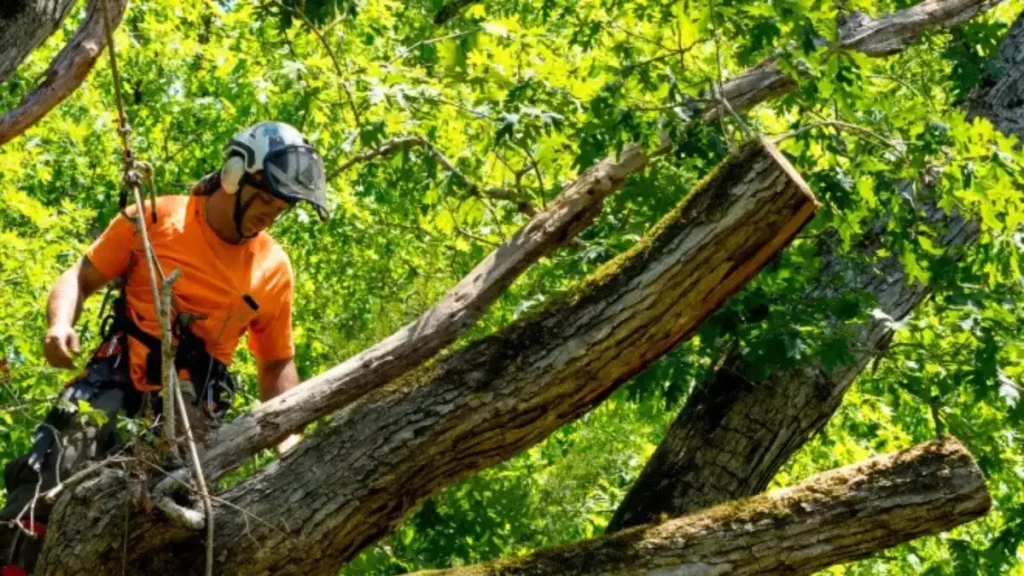
Best Time to Remove a Tree in Georgia, Seasonal Guide
The best time to remove trees in Georgia is generally late fall through early spring (November through March), when trees are dormant and ground conditions support equipment access without damaging your lawn.
Why Winter is the Ideal Tree Removal Season
During Georgia’s mild winter months, trees enter dormancy, a natural resting phase when growth slows significantly. This dormancy makes winter the optimal window for tree removal in several important ways.
First, dormant trees have minimal sap flow. Active sap flow in summer and spring can complicate the removal process and create hazardous conditions for crews. With less sap present, crews can work more efficiently, and cleanup becomes easier. Second, leafless trees provide clearer visibility of the canopy structure. This makes it simpler to plan the safest removal approach and identify potential hazards that might be hidden by foliage.
Finally, winter weather in Georgia typically means stable, firmer ground conditions. When the soil is less saturated from spring rains or summer moisture, heavy equipment can operate without leaving deep ruts or tearing up your lawn. This preservation of your landscape is a significant advantage over summer removals.
Lower Disease and Pest Transmission Risk
One concern homeowners often overlook is disease spread. Many tree diseases and pests are most active during warm months. Removing trees during the dormant season reduces the risk that disease spores or pest populations will transfer to nearby trees during the removal process.
According to the University of Georgia Extension, certain fungal diseases that affect hardwoods are dormant in winter and active in spring, making winter removal safer for your remaining landscape. Similarly, many wood-boring insects and bark beetles are less mobile during cold months, lowering the risk they’ll spread to other trees on your property.
If you have trees showing signs of disease, such as cankers, unusual bark damage, or sudden branch die-off, winter removal may prevent that disease from spreading to healthy specimens elsewhere on your land.
Potential Cost Savings in Winter
Tree service companies generally experience slower demand during the winter months compared to spring and summer. While many homeowners put off landscape projects during colder weather, this actually creates an opportunity for those planning ahead.
In most cases, scheduling your tree removal during the off-season (late fall through early spring) can result in more flexible pricing and faster scheduling. Companies have more availability, which sometimes translates to better rates. Additionally, you avoid the price premium that often comes with emergency removals in high-demand summer months.
Getting a free estimate from a local certified arborist in the fall can help you plan and budget for winter removal at the best possible rate.
Georgia-Specific Timeline: When to Act
Georgia’s climate is generally milder than northern states, which means the removal window can extend longer than in colder regions. While the peak dormant season runs from November through February, many trees remain effectively dormant into March, especially at higher elevations in Georgia’s northern counties.
Late October through March provides the safest window for routine removals in the Augusta area and surrounding communities including Evans, Martinez, Grovetown, and Aiken. By April, temperatures warm and buds begin to swell, signaling the end of the ideal removal window for most species.
If you’re waiting until December or January to decide, you risk getting pushed into the spring season due to scheduling backlogs. Planning in September or October gives you the best options and more negotiating power on timing and price.
What About Summer or Spring Removal?
Summer and spring aren’t ideal for routine tree removal, but they may be necessary in specific situations. If a tree poses an immediate safety hazard, such as dead branches hanging over your home, a tree leaning dangerously, or root damage threatening your foundation, don’t wait for winter. Emergency removals should happen as soon as safely possible, regardless of season.
Similarly, if a tree is infested with an invasive pest like the emerald ash borer, removal may need to happen immediately to prevent the pest from spreading to other trees in the neighborhood. Your arborist can advise whether your situation warrants immediate action.
For routine removals, however, summer removal comes with higher costs, potential lawn damage, and increased disease transmission risk. Spring and summer are also the busiest seasons for tree service companies, so scheduling may take weeks longer.
How to Plan Your Tree Removal
The best approach is to schedule a consultation with a certified arborist in the fall (September through October). During this visit, they can assess which trees are candidates for removal, explain why removal may be necessary, and help you understand the costs and timeline involved.
A professional evaluation will help you prioritize. Perhaps you have three trees in decline, but budget only allows removal of one this year. Your arborist can rank them by safety concern and recommend the best timing for each.
Once you decide to move forward, booking your removal for November or December gives you peak conditions and typically the best pricing. If weather causes minor delays, you still have January through March as backup windows.
Frequently Asked Questions
Is tree removal more expensive in winter or summer?
In most cases, winter removal is less expensive. Tree service companies are less busy during the off-season, which can mean more flexible pricing. Summer removals often command premium rates due to high demand. Emergency removals, regardless of season, are typically the most expensive because they require immediate scheduling and often involve hazardous situations.
Can you remove trees any time of year in Georgia?
Yes, trees can technically be removed year-round, but timing matters. Winter (November–March) is safest and most practical for routine removals because of dormancy, ground conditions, and disease prevention. Spring and summer are possible but less ideal due to cost, logistics, and environmental factors. If a tree is hazardous, unsafe conditions should be addressed immediately, regardless of season.
Do I need a permit to remove a tree in Georgia?
Permit requirements vary by city and county in Georgia. Augusta and surrounding areas like Aiken and Grovetown have different regulations. Some municipalities require permits for trees above a certain diameter, while protected species may have special restrictions year-round. Your tree service company should verify local requirements before starting work. For detailed information specific to your property, consult your local city or county building department or contact a certified arborist.
What if my tree needs emergency removal during summer?
Never wait if your tree is an immediate safety hazard. Dead branches, severe lean, root damage affecting structures, or pest infestation should be addressed right away, even if it’s July. Contact a licensed tree removal company immediately for an emergency assessment. Safety always takes priority over seasonal timing.
Important Disclaimer
This content is for informational purposes only. Tree and land work can be dangerous, always consult a licensed professional before attempting any tree removal, land clearing, or demolition project. Contact Augusta Landworks for a free estimate.
Ready to Remove a Tree This Season?
Augusta Landworks is your trusted tree removal partner in the Augusta area, serving Evans, Martinez, Grovetown, Hephzibah, North Augusta, and Aiken. Whether you’re planning a winter removal or facing an emergency situation, our family-owned company brings professional expertise and caring service to every project. Call us at 706-831-9948 or fill out our free estimate form to get started. We’re ready to help you plan the perfect timing for your tree removal and answer any questions about your specific situation.
Additional Resources
Learn more about our tree removal services and full service offerings.